Pakistan’s LNG supply from Qatar has begun returning to normal as a second Qatari tanker moves through the Strait of Hormuz amid ongoing conflict risks.
At the same time, the government has admitted that rising petrol prices are being driven mainly by higher petroleum levy aimed at meeting IMF targets.
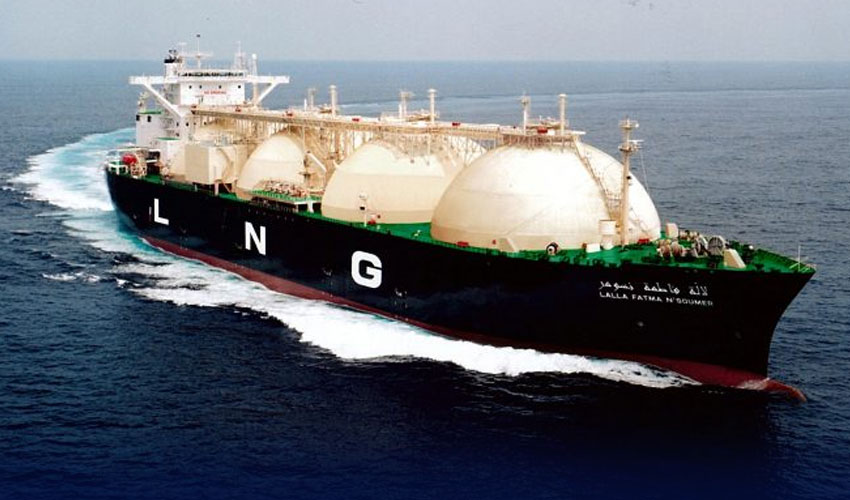
A second Qatari liquefied natural gas tanker, Mihzem, is transiting the Strait of Hormuz after departing Ras Laffan.
According to LSEG shipping data, the tanker has a capacity of 174,000 cubic metres and is heading northeast toward Port Qasim in Pakistan. It is expected to arrive on May 12.
This would be the second successful crossing of Hormuz by a Qatari LNG tanker since the start of the Iran war.
On Saturday, LNG tanker Al Kharaitiyat began crossing Hormuz through an Iranian-approved northern route and successfully crossed the strait on Sunday.
The movement highlights how cargoes are crossing the strategic waterway on a case-by-case basis amid conflict risks.
Qatar-Pakistan LNG deal continues
The LNG is being sold by Qatar to Pakistan under a government-to-government agreement. Pakistan, which is acting as a mediator in the war, had discussed limited LNG tanker passage with Iran to address its gas shortage.
Sources said Iran approved the shipment to help build confidence with Qatar and Pakistan.
Two more tankers carrying Qatari LNG are expected to head to Pakistan in the coming days.
Iran has agreed to assist, and both sides are coordinating safe passage for vessels carrying gas supplied under Pakistan’s agreement with Qatar.
Qatar remains Pakistan’s main LNG supplier and is the world’s second-largest LNG exporter, with most of its shipments going to Asian buyers.
Risks remain in Strait of Hormuz
Earlier this month, the UAE’s ADNOC managed to send two LNG tankers through the Strait of Hormuz after switching off tracking signals.
Shipping data showed the move reflected heightened risks and operational sensitivities in the waterway.
Iranian attacks have knocked out 17% of Qatar’s LNG export capacity, with repairs expected to sideline 12.8 million metric tons per year of fuel for three to five years.
Petroleum minister explains petrol price hikes
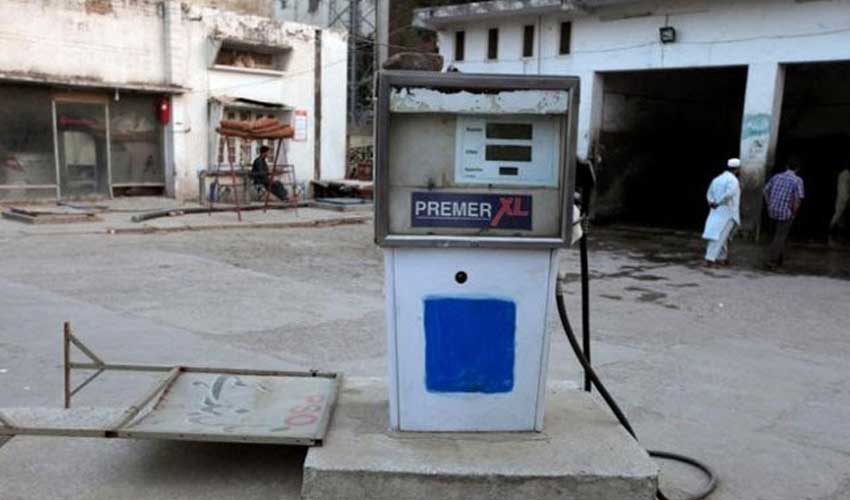
In a Senate Standing Committee on Petroleum meeting, Petroleum Minister Ali Pervaiz Malik said the real reason behind repeated petrol price hikes is the increase in petroleum levy. He admitted that the burden on the public is not only due to the global market but also due to the rising levy.
The minister said the next target is to raise the petroleum levy to Rs160 per litre to meet IMF requirements.
The petroleum minister said the government had agreed in the budget with the IMF to impose a levy of Rs80 per litre on petrol.
However, he said the situation changed after the Middle East war and the levy had to be increased further to secure approval of the IMF installment. The minister said the next target is to take the levy to Rs160 per litre.
Committee questions March fuel hike
Members of the Senate committee questioned the government over a sudden Rs55 increase in petroleum product prices in March.
Senator Saifullah Abro said the committee needed to know whose pocket the money had gone into. He said if the levy had been imposed, the amount should go to the government treasury, but if the benefit went to oil marketing companies, it would be wrong and the money should be recovered.
LNG ship to arrive tomorrow
Malik told the committee that LNG supply from Qatar has been restored. He said the first ship would arrive in Pakistan tomorrow.
The minister also said petroleum product prices would be deregulated once the country comes out of the current crisis.
.jpg)