Indian Prime Minister Narendra Modi has urged Indians to revive work-from-home practices, use less fuel, buy less gold and limit foreign travel as India faces mounting pressure from surging global energy prices.
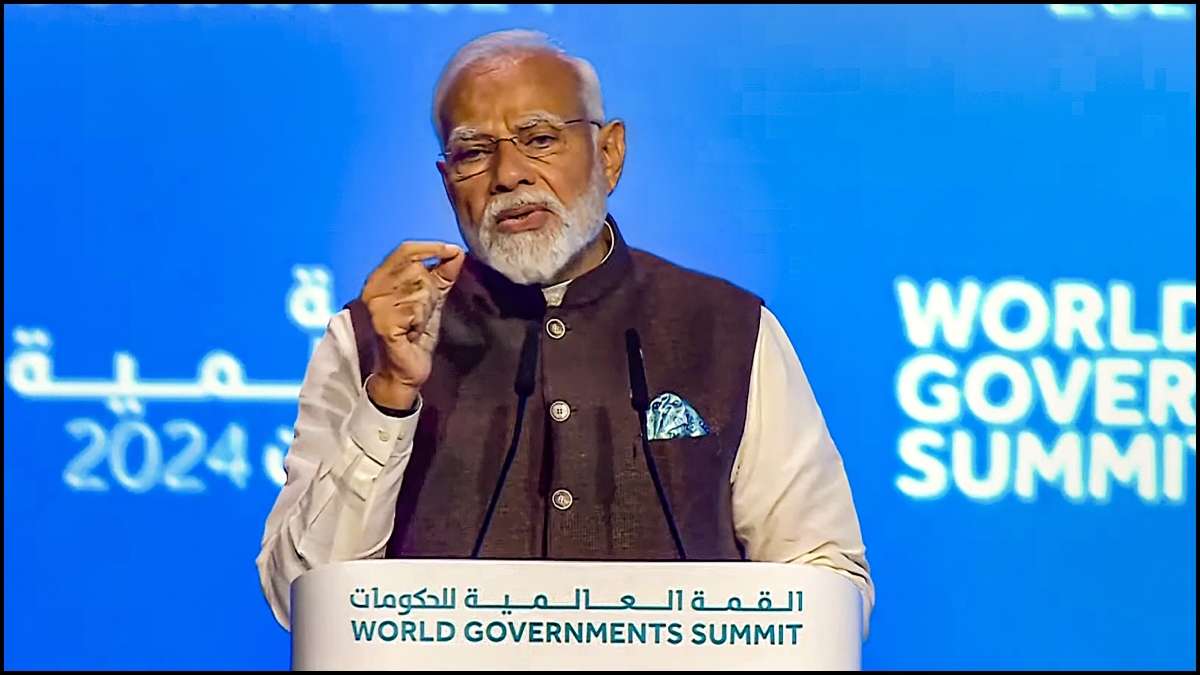
Speaking at a public event in Hyderabad on Sunday, Modi said responsible daily choices could help the country save fuel and preserve foreign exchange during the continuing Middle East crisis.
Modi said India must return to some habits adopted during the Covid period, including work from home, online meetings and video conferences.
“Patriotism is not only about the willingness to sacrifice one’s life on the border. In these times, it is about living responsibly and fulfilling our duties to the nation in our daily lives,” Modi said.
India continues to scale new heights of progress but at the same time there are several challenges we have to overcome.
— Narendra Modi (@narendramodi) May 10, 2026
Here is my appeal to my fellow Indians. pic.twitter.com/vIz1nT2EF6
He added that India must place strong emphasis on saving foreign exchange as petrol and diesel have become expensive globally.
Public urged to save petrol and diesel
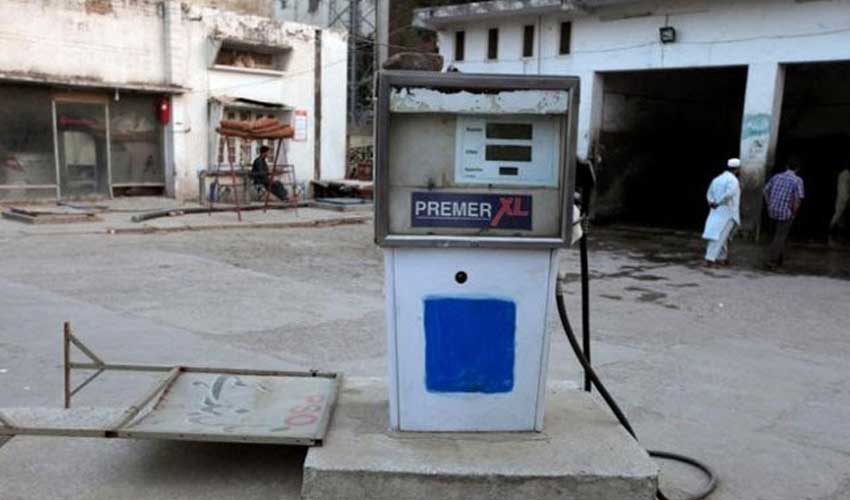
The prime minister appealed to citizens to reduce petrol and diesel use wherever possible. He encouraged people to use public transport such as metro trains and suggested carpooling when cars are necessary.
Modi also said people with electric vehicles should use them as much as possible during the crisis.
Foreign travel and gold purchases
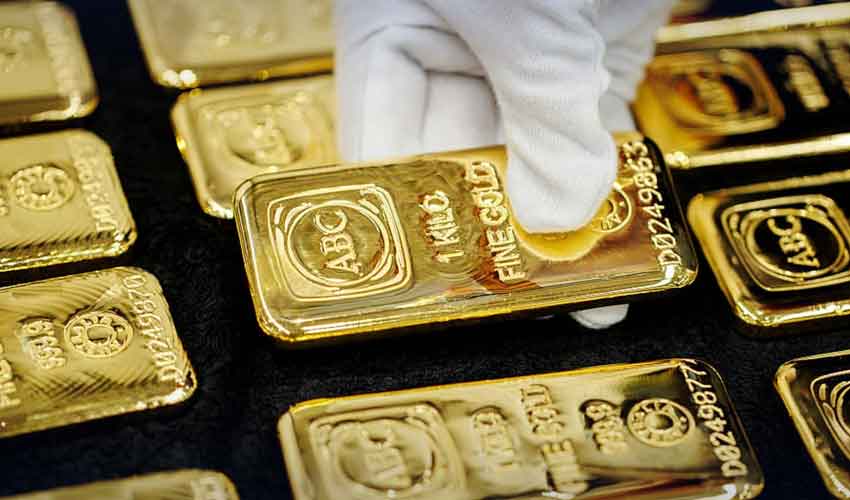
Modi urged Indians to limit foreign travel, including overseas weddings and vacations, during the ongoing global crisis. He also appealed to people to buy less gold, saying foreign exchange savings had become important for the country.
According to Modi, reducing spending on imports and foreign travel would help ease pressure on India’s finances.
Modi also asked farmers to cut fertiliser use by half. He said fertiliser prices had increased sharply because of the war and pressure on global supply chains.
Dwindling fertiliser supplies have already raised concerns about lower farm output and higher food prices.
India’s oil import bill rises sharply
India imports around 90% of its oil, making it highly vulnerable to global energy shocks. Its crude oil bill has risen by billions of dollars since the US and Israel’s war on Iran began, with the Strait of Hormuz shut for more than two-and-a-half months.
The narrow Gulf chokepoint is a key route for global oil supplies.
The impact was visible in Indian markets on Monday. Analysts said Modi’s comments were among the reasons the benchmark Sensex fell more than 1,000 points in early trade.
They described his appeal as the most drastic response so far to fears of prolonged economic disruption.
India has so far avoided raising petrol and diesel prices despite mounting pressure on state-run fuel retailers. However, the prolonged conflict and disruption to oil supplies have started straining the broader economy.
Industries making glass, plastic products and tiles are facing pressure, with hundreds of thousands of jobs at risk.
Rupee hits record lows
The sharpest impact has been seen on the Indian rupee, which has hit record lows in recent weeks. A weaker rupee has increased import costs and added further pressure on inflation.
Rising fuel, fertiliser and import costs are now feeding concerns about household expenses and food prices.
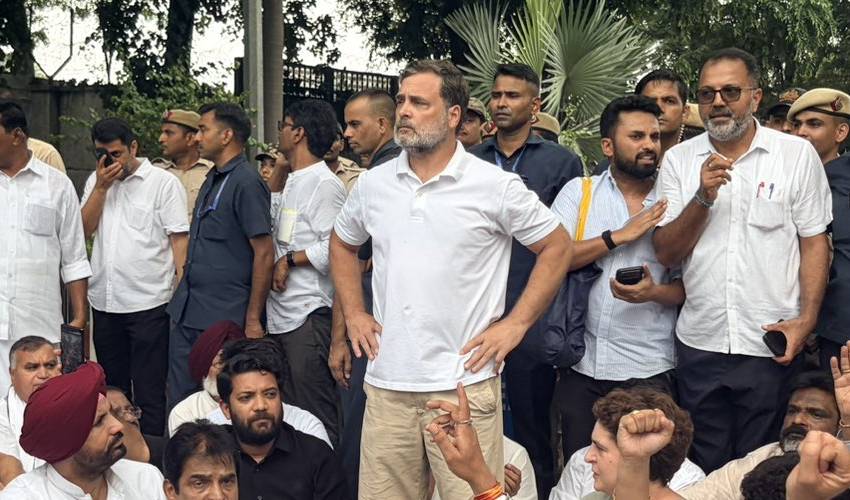
Opposition leaders criticized Modi’s remarks, saying they reflected poor planning by the federal government. Congress leader Rahul Gandhi accused the government of shifting responsibility onto ordinary people.
“Modi’s suggestions aren’t sermons — these are proofs of failure,” Gandhi said in a post on X.
.jpg)