Pak International Business Forum has proposed a comprehensive seven-point economic recovery agenda ahead of the upcoming federal budget, urging the government to adopt long-term, business-friendly reforms to revive industrial growth and strengthen economic stability.
The proposal comes amid ongoing concerns from the business community over inflation, high interest rates, expensive energy, and rising production costs.
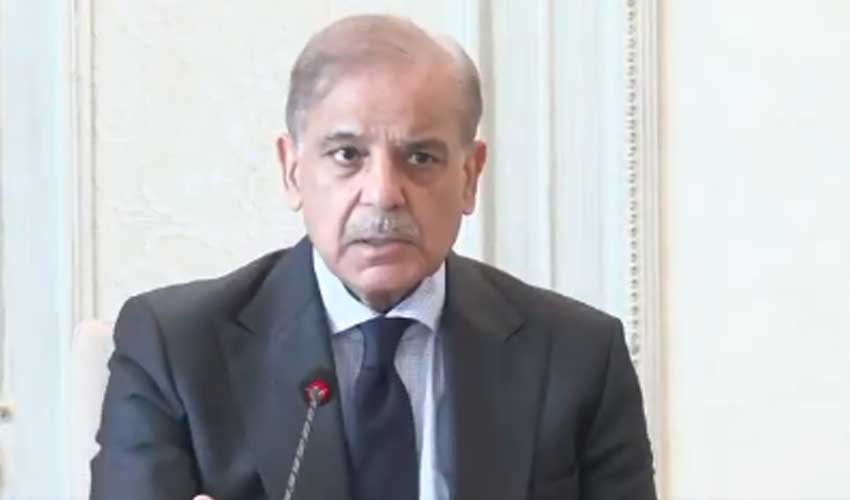
Speaking on the occasion, PIBF President Dr. Mushtaq Mangat said Pakistan needs stable and long-term economic policies instead of short-term fiscal measures.
He highlighted that the business sector is currently under significant pressure due to high interest rates, expensive energy, a complex tax system, and rising petroleum prices.
PIBF leadership, including Secretary General Muhammad Ijaz Tanveer and Chief Organizer Moaz Qazi, stressed the need for immediate structural reforms to restore investor confidence.
Interest rates
The forum strongly recommended a reduction in interest rates, saying that expensive borrowing has severely impacted small and medium enterprises (SMEs).
PIBF also called for the revival of Development Finance Institutions (DFIs) and special financing facilities for export-oriented industries.
These steps, according to the forum, are essential for improving investment and industrial expansion in the country.
PIBF emphasized the need to broaden the tax base while reducing overall tax rates and simplifying the system.
The forum also suggested introducing a digital single-window tax system to improve transparency and ease of compliance.
It further recommended consistent economic policies and incentives for taxpayers to build long-term trust in the system.
Addressing the energy sector, Moaz Qazi noted that high electricity and gas tariffs are making Pakistani products less competitive globally.
PIBF proposed regionally competitive tariffs, reduction in line losses, and improved governance of distribution companies, particularly for export industries.
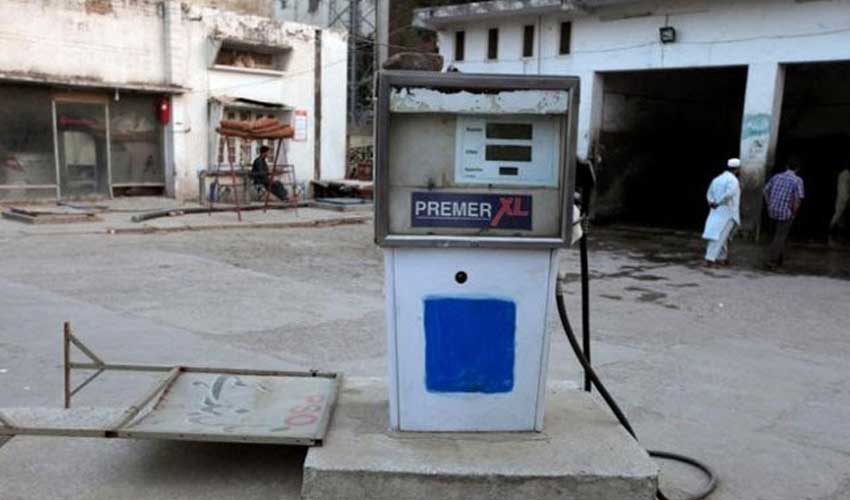
The forum also raised concerns over increasing petroleum prices, stating that rising fuel costs are driving inflation across transport, agriculture, and industry.
It suggested establishing a fuel price stabilization mechanism and revising petroleum levies to provide relief to both the public and businesses.
Ease of doing business
PIBF urged the government to introduce a fully digital one-window system for business registration, approvals, and regulatory processes.
It also recommended reducing unnecessary regulations, ensuring policy continuity, and creating an efficient dispute resolution mechanism for trade-related issues.
On human resource development, Muhammad Ijaz Tanveer said Pakistan must align education and technical training with industry needs.
The forum recommended promoting vocational training, IT skills, freelancing, and apprenticeship programs to prepare youth for global opportunities.
Additionally, PIBF proposed a “District Economy Model” to develop local economies based on regional resources.
This model, it said, would reduce urban pressure, create local jobs, and promote balanced regional development.

.jpg)