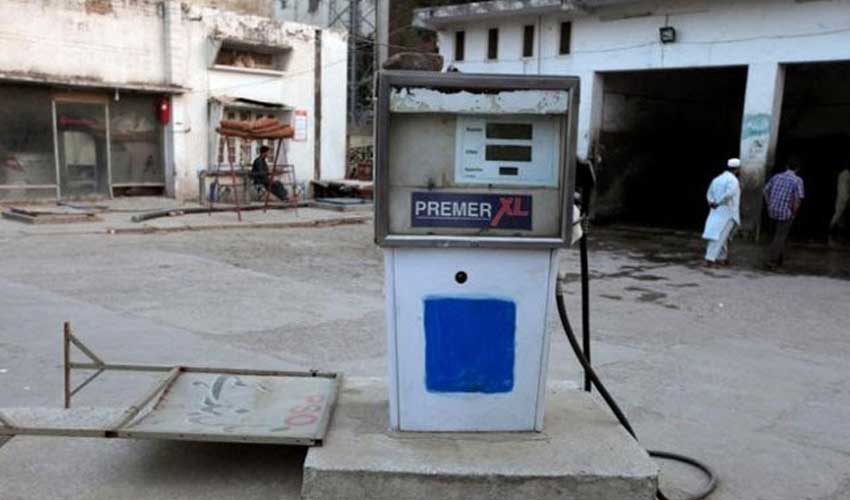
Transport fares have been increased across different parts of the country after the latest rise in petroleum product prices, adding fresh pressure on commuters, traders and the business community.
Goods transporters have announced an increase of up to 5% in fares, while public transporters have raised fares by 4% on their own.
In Lahore, public transport fares to different cities have been increased following the rise in fuel prices.
According to the report, fares on various intercity routes have gone up by Rs60 to Rs470. The increase has been made by public transporters on their own, with fares raised by around 4%.
Goods transporters announce 5% fare hike
After the increase in petroleum product prices, goods transporters have also announced a 5% increase in fares.
Transporters said it has become increasingly difficult to operate vehicles due to repeated hikes in fuel prices. They said expenses have risen sharply because of the increase in diesel prices.
Goods transporters in Karachi said they are being forced to park their vehicles because of rising inflation. They said it is no longer possible to run transport operations due to expensive diesel, challans and taxes.
Also Read: Petrol, diesel prices increased again in Pakistan
Transporters added that the rising cost of fuel has made daily vehicle operations financially difficult.
KP goods transport fares increase sharply
Following the continuous rise in diesel prices, goods transporters in Khyber Pakhtunkhwa have also increased fares. The hike has created serious difficulties not only for ordinary citizens but also for the business community.
According to the report, goods transport fares have increased significantly on several major routes from Peshawar.
The fare of a truck from Peshawar to Rawalpindi has increased from Rs25,000 to Rs35,000. Goods transport fare for Lahore has gone up from Rs45,000 to Rs65,000.
Fares for Karachi and Hyderabad have increased from Rs80,000 to Rs100,000.
Business activities affected by fare hike
Traders said business activities have been badly affected due to the increase in goods transport fares. They added that work in many sectors has almost come to a standstill as higher transport costs make the movement of goods more expensive.
The increase in fares is expected to further add to inflationary pressure, as higher transport costs often affect prices of essential goods.
.jpg)
.jpg)