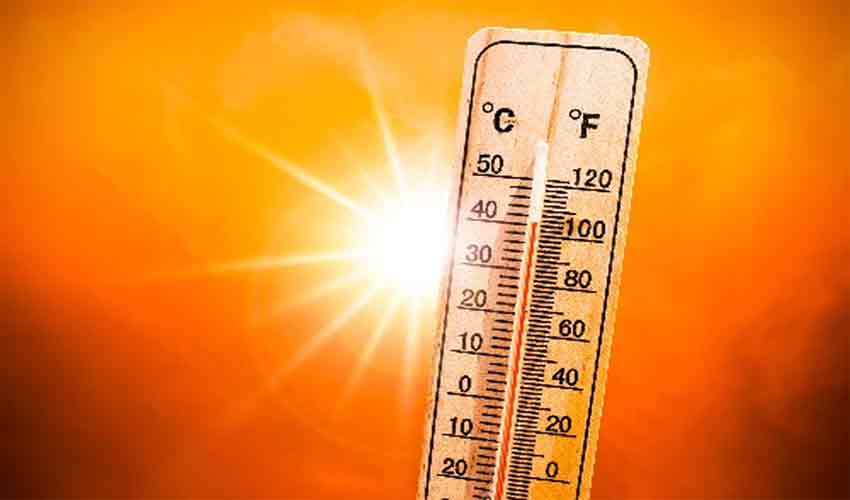
A nationwide heatwave alert has been issued as temperatures across Pakistan are expected to rise 4 to 6 degrees Celsius above normal, according to the Meteorological Department.
Authorities have warned that southern Punjab, Sindh and Balochistan will be the most affected regions, while coastal areas, including Karachi, are also likely to experience a rise in temperature. Temperatures are expected to remain significantly above normal, increasing the risk of heat-related illnesses.
The intensity of the heat is likely to continue until the first week of May.
According to the forecast, southern Punjab, Sindh and Balochistan will be the worst-hit areas during the heatwave. The temperature is also likely to increase in coastal areas, including Karachi.
Officials have advised citizens in affected regions to remain cautious and avoid unnecessary exposure to the sun.
Dusty winds also expected
The Meteorological Department said dusty winds may blow in some areas due to the influence of westerly winds. These conditions could add to the discomfort caused by the rising temperatures.
Citizens have been urged to take precautions, especially while travelling or working outdoors.
Relevant departments have been instructed to remain alert and take preventive measures to deal with the heatwave. Rescue agencies have also been placed on alert to respond to any emergency situation.
Officials said preparations are being made to prevent heatstroke cases and provide timely assistance where needed.
Citizens advised to take precautions
Health and rescue authorities have advised people to avoid going out in the sun unnecessarily. Citizens have been urged to drink more water and take precautionary steps to prevent heatstroke.
Special care has been advised for children, elderly people and patients, who are more vulnerable during extreme heat.
Labourers, farmers, traffic staff and others exposed to direct sunlight have been advised to take frequent breaks, stay hydrated and avoid prolonged sun exposure during peak heat hours.
Authorities said timely precautions can help reduce the risk of heatstroke and other heat-related emergencies.


.jpg)
.jpg)