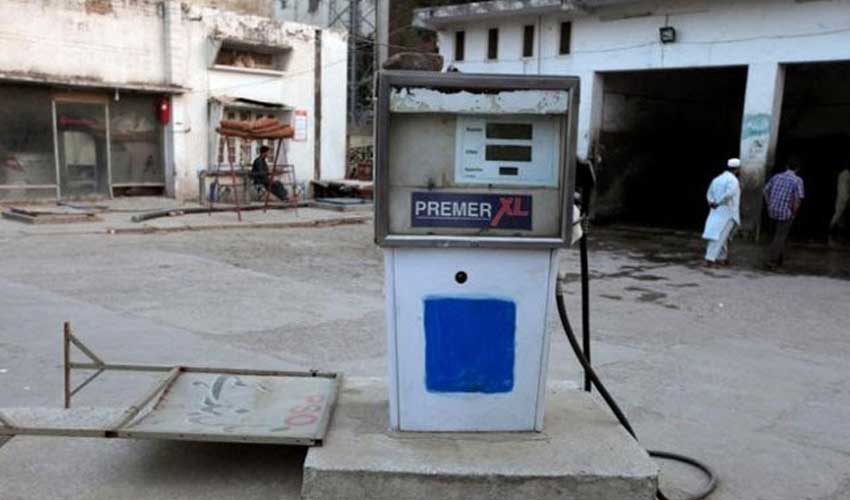
Transport fares have been increased following the recent rise in petroleum product prices, adding fresh pressure on passengers already struggling with higher travel costs.
In Lahore, the RTA secretary held talks with transporters at Transport House, where a limited fare increase of 3% to 4% was approved. Meanwhile, public transporters and goods carriers also announced fare hikes, citing rising diesel and petrol expenses.
Negotiations took place between RTA Secretary Rana Mohsin and transporters to discuss the demand for higher fares. Following the talks, transporters agreed to increase fares by 3% to 4%.
No arbitrary fare hike allowed
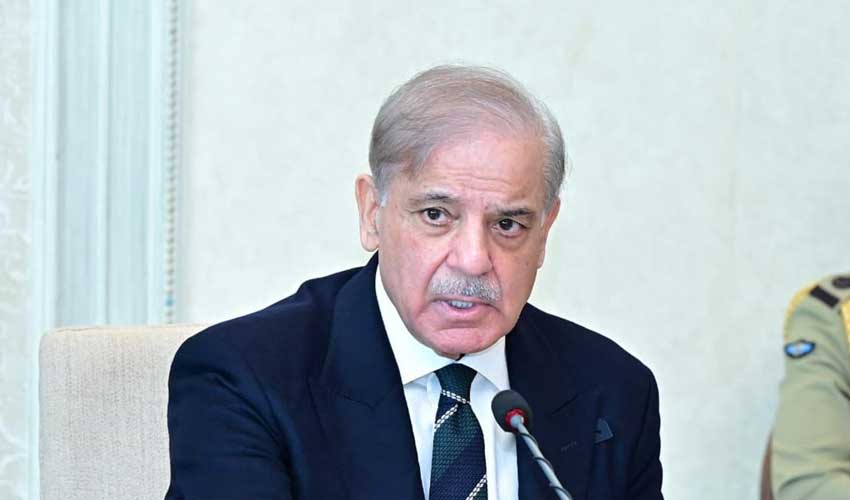
RTA Secretary Rana Mohsin said no transporter would be allowed to increase fares arbitrarily. He clarified that only a 3% to 4% increase in transport fares had been approved.
He warned that strict action would be taken against those charging more than a 4% increase. He said all transporters would start implementing the new fares from today after issuing updated fare lists.
According to Rana Mohsin, petroleum product prices have increased by 7.27%.
Passengers face higher fares
After the increase in petroleum prices, transporters in Lahore also passed the burden on to passengers. Public utility transporters increased fares by around 5%, making intercity travel more expensive for citizens.
Passengers expressed concern over the hike, saying travel has become more difficult due to rising transport costs.
Intercity fares rise
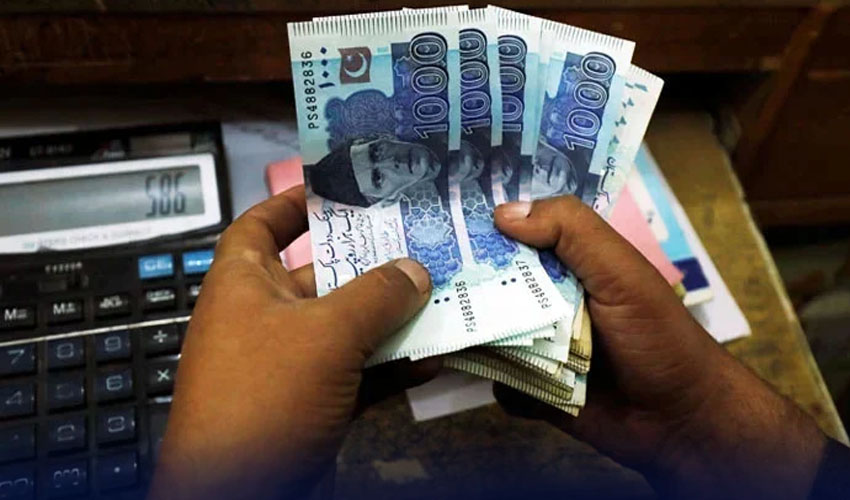
Public transport fares from Lahore to different cities have been increased by Rs60 to Rs460. The fare from Lahore to Rawalpindi has been fixed at Rs2,340 after an increase of Rs110.
The fare from Lahore to Peshawar has been fixed at Rs3,100 after an increase of Rs150. Fares for Faisalabad and Sargodha have been fixed at Rs1,260 after an increase of Rs60.
The Lahore-to-Karachi fare has been fixed at Rs9,720 after an increase of Rs460.
Goods transporters also raise fares
Goods transporters and mini Mazda owners have also increased their fares by 5% after the rise in petroleum prices. Public circles said the continuous increase in petroleum product prices is deepening economic difficulties for ordinary citizens.
They said higher fuel prices are not only making travel expensive but also increasing the cost of goods transportation.
In Karachi, the Pakistan Goods Transport Alliance announced a 10% increase in fares following the fuel price hike. Malik Shahzad Awan, President of the Pakistan Goods Transport Alliance, condemned the increase in petroleum product prices.
He said transporters had repeatedly asked the federal government to reduce diesel prices.
Transporters say costs have surged
Malik Shahzad Awan said the government is providing Rs80,000 as a subsidy, but described the amount as very low. He said that after the latest increase in prices, transporters’ expenses have gone up by Rs200,000 per trip.
He also claimed that due to tensions in the world, 50% of transport operations in Pakistan have come to a standstill.
.jpg)
.jpg)