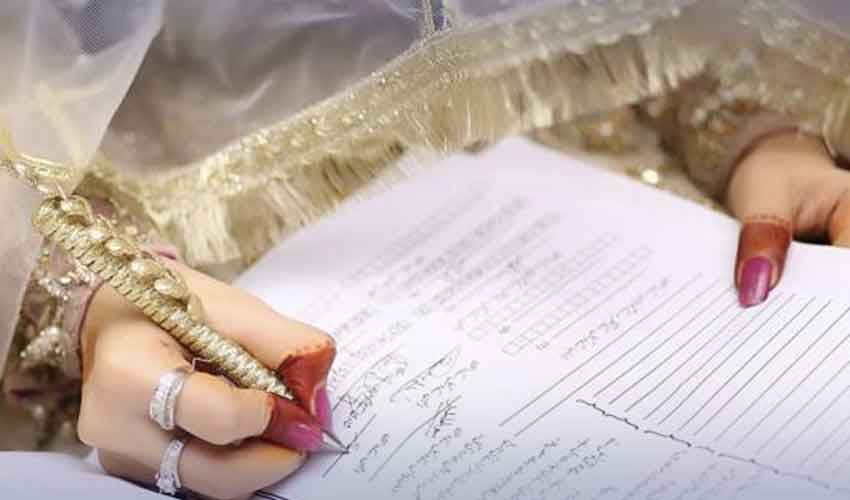
In a significant ruling, the Lahore High Court has declared that a husband is legally bound to pay the full dower amount (haq mehar) or jewellery mentioned in the marriage contract -- even after divorce.
Justice Sajid Mahmood Sethi of the Multan Bench dismissed a petition filed by Aamir Ali, upholding the Family Court’s earlier decision.
The court ruled that the Family Court’s judgement was based on complete record and evidence, and there was no reason for interference. It clarified that if money and jewellery are mentioned separately in the marriage contract (nikahnama), they must all be paid individually.
The verdict stated that all items listed together constitute the haq mehar, and the husband is legally bound to fulfill the entire obligation.
The court further ruled that if the husband fails to return the jewellery mentioned in the nikahnama, the wife is entitled to receive its market value instead.
Case background and dispute
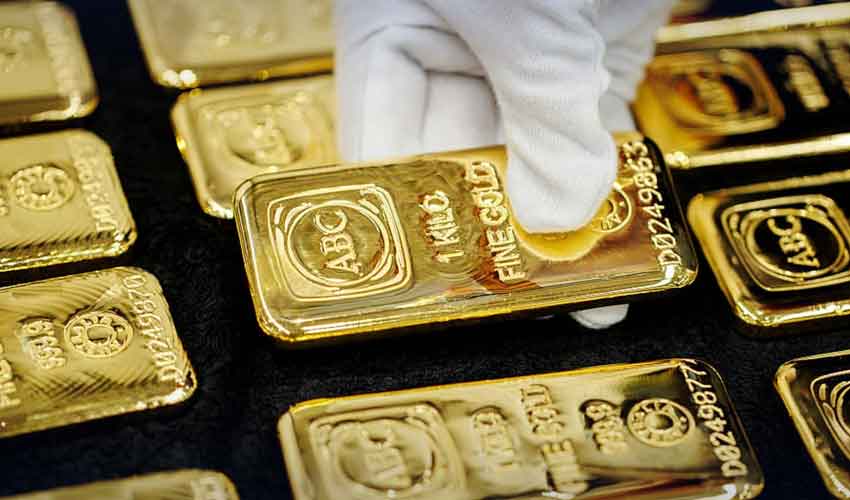
According to the case record, the petitioner married in 2011 and listed Rs5,000, five tolas of silver, and 10 tolas of gold in the marriage certificate as dower. After divorce, the ex-wife claimed that the jewellery had not been returned.
The petitioner argued that the dower amount was only Rs5,000, which he had already paid, and alleged that the entries regarding gold and silver were forged.
Court rejects forgery claim
The court found that the petitioner failed to prove that the entries in the marriage certificate were fake. According to the record, witnesses confirmed the authenticity of the nikahnama, and the petitioner himself acknowledged his signature on the document.
The ex-wife had also presented a certified copy of the marriage certificate during trial proceedings.
The judgement emphasized that the high court only interferes in Family Court decisions if they are not in accordance with the law. Since the Family Court’s decision was found to be legally sound and supported by evidence, the High Court dismissed the petition.
The Lahore High Court upheld the Family Court’s decision and directed the petitioner to pay the full dower, including the jewellery or its market value.
.jpg)
.jpg)