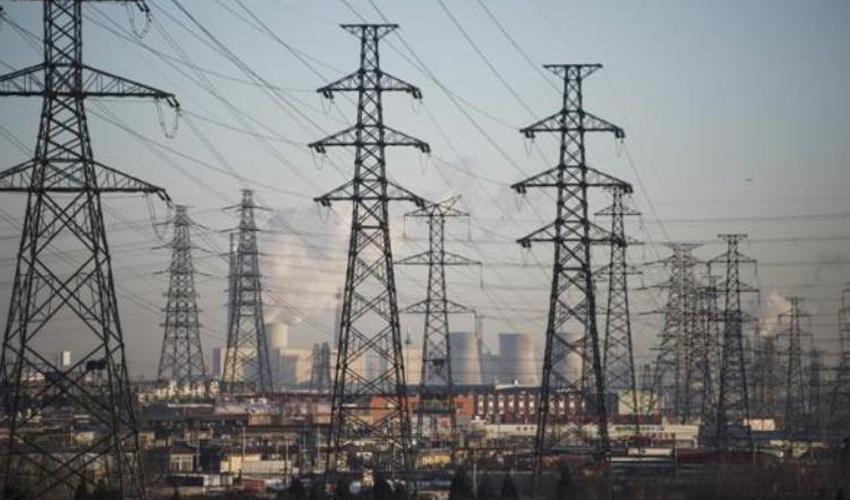
Pakistan is once again grappling with a worsening energy crisis, as the government has announced load shedding during peak hours following a sharp rise in electricity demand and a drop in power generation.
The Power Division has issued a fresh load shedding schedule, confirming that electricity outages of more than two hours will be enforced during peak demand hours.
Officials say electricity demand has surged significantly in recent days, while hydropower generation has also declined sharply -- further straining the system.
The crisis has been exacerbated by the shutdown of imported LNG-based power plants, which has removed around 15% of electricity from the national grid.
Authorities say the decision was taken to avoid the use of expensive fuels like furnace oil and diesel, which would have significantly increased electricity tariffs.
Instead of passing on higher costs to consumers, the government has opted to increase load shedding across the country.
Nationwide outages begin
Electricity distribution companies have started implementing load shedding nationwide, citing reduced power supply from the national grid.
Officials say the reduction in electricity supply has disrupted scheduled distribution, forcing utilities to introduce load management measures.
In the federal capital, the Islamabad Electric Supply Company (IESCO) has released a load management plan, under which some areas are experiencing up to eight hours of outages.
An IESCO spokesperson said the temporary reduction in electricity generation is linked to the international petroleum crisis. The utility added that load management will be eased once additional electricity quotas are received.
Lahore hit by unannounced power cuts
In Lahore, the situation has worsened with unannounced load shedding reported in multiple areas under the Lahore Electric Supply Company (LESCO). Residents are facing three to four hours of unscheduled outages, particularly during evening and night hours, when demand peaks.
Sources said the reduction in power supply from the national grid has forced LESCO to increase load shedding, disrupting daily routines and business activities.
Interestingly, solar systems are helping meet electricity demand during daytime hours, offering partial relief to consumers.
Karachi suffers extended outages
Karachi is also facing prolonged power outages as temperatures rise, further increasing electricity demand.
In areas like Burns Road, residents are enduring up to 10 hours of scheduled load shedding, along with an additional five hours of unannounced outages.
The combination of heat and extended power cuts has created severe difficulties for citizens, highlighting the growing strain on the energy system.
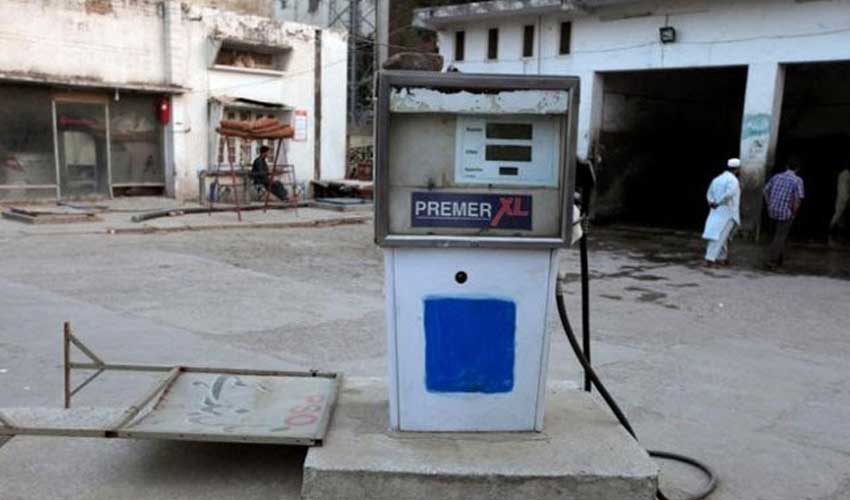
Officials attribute the worsening situation to multiple factors, including reduced hydropower generation and the closure of plants running on imported fuels.
The fear of rising electricity costs due to furnace oil and diesel usage has led the government to prioritize load shedding as a cost-control measure.
Energy crisis intensifies
The latest developments indicate that Pakistan’s energy crisis is intensifying once again, with supply shortages, rising demand and global fuel challenges all contributing to the problem.
While solar energy is helping reduce pressure during the day, evening demand continues to outstrip supply, leading to frequent outages.


.jpg)