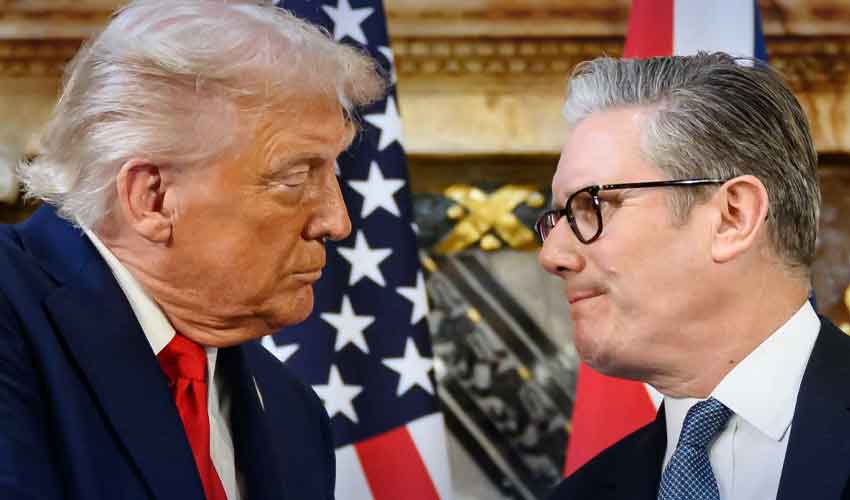
The United Kingdom has decided not to participate in a US-led military blockade of Iran through the Strait of Hormuz, distancing itself from escalating tensions in the region following failed peace talks.
The UK government has made it clear that British naval ships and soldiers will not be used to block Iranian ports.
A government spokesperson said Britain would instead continue to support “freedom of navigation and the opening of the Strait of Hormuz,” stressing its importance for the global economy and domestic cost of living.
While ruling out direct involvement, the UK will maintain its existing military presence in the region. This includes minesweepers and anti-drone capabilities, which are already deployed to help ensure maritime security.
Officials have emphasized that supporting safe passage is different from enforcing a blockade.
US moves ahead after failed Iran talks
The US announced the blockade after negotiations with Iran in Islamabad failed to produce a lasting peace agreement.
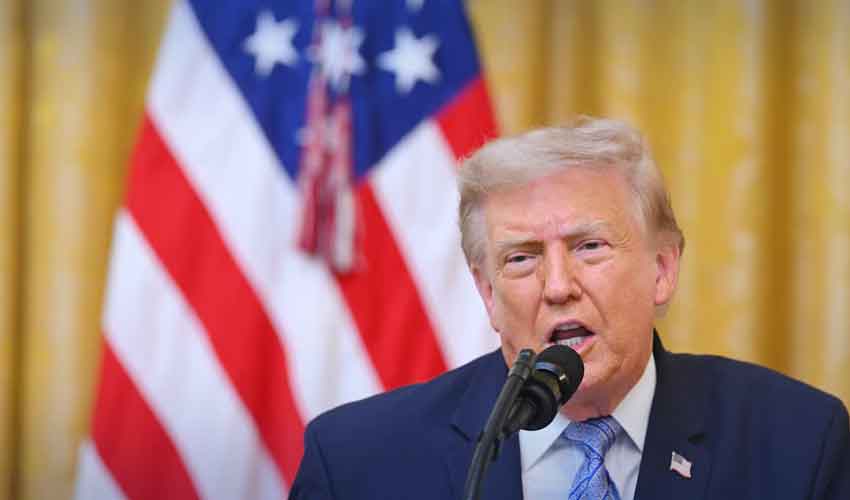
US President Donald Trump declared that Washington would begin “BLOCKADING any and all ships” entering or leaving the Strait of Hormuz.
Also Read: Iran says deal possible if US respects Iranian nation's rights
The US Central Command confirmed that US forces would enforce the blockade “impartially” on vessels entering or leaving Iranian ports, including those in the Arabian Gulf and Gulf of Oman.
However, it added that ships traveling to and from non-Iranian ports would not be impeded, and commercial mariners would receive formal notices before enforcement begins.
Trump claims allies will assist
Trump said several countries would support the operation, suggesting NATO allies could help “clean out” the strait. He specifically mentioned the UK, claiming it would send minesweepers, though British officials have not confirmed this.
Starmer has repeatedly ruled out direct UK military involvement and urged restraint. He called for “de-escalation” and warned against further conflict after talks between the US and Iran collapsed.
Coalition efforts to secure shipping route
The UK is instead working with allies to protect maritime movement. In talks with Emmanuel Macron, Starmer highlighted the need for a broad international coalition to safeguard shipping through the Strait of Hormuz.
A spokesperson said Britain is “urgently working with France and other partners” to ensure freedom of navigation.
The UK also raised alarm over reports that Iran has begun charging $2 million (£1.5 million) in transit fees for tankers crossing the strait. Officials stressed that the waterway “must not be subject to tolling.”
Also Read: Oil jumps 7% to above $100 ahead of US blockade on Iran
The Strait of Hormuz is one of the world’s most critical energy routes, with around one-fifth of global oil and liquefied natural gas shipments passing through it.
Iran has effectively restricted access to the waterway since US-Israeli strikes began on February 28, triggering sharp rises in oil prices.
Economic and diplomatic fallout
Global benchmark Brent crude surged above $100 following the blockade announcement, highlighting fears of supply disruption.
UK Chancellor Rachel Reeves is expected to raise the issue during an upcoming visit to Washington for the IMF meeting, advocating for reopening the route.
Trump’s remarks have also sparked political friction with the UK. He criticized Britain’s stance and compared Starmer’s approach to that of former UK Prime Minister Neville Chamberlain, a reference to appeasement policies before World War II.
UK Health Secretary Wes Streeting described Trump’s rhetoric as “incendiary, provocative and outrageous.”
Fragile ceasefire under pressure
The situation follows the collapse of a fragile two-week ceasefire after 21 hours of US-Iran negotiations ended without agreement. US Vice President JD Vance said Iran’s refusal to commit to abandoning nuclear weapons was a key reason for the failure.
Starmer has continued diplomatic efforts, including a call with Oman’s Sultan Haitham bin Tariq Al Said, urging both sides to maintain the ceasefire and find a peaceful resolution.
He also recently visited four Gulf countries to strengthen ties and coordinate regional responses.
.jpg)