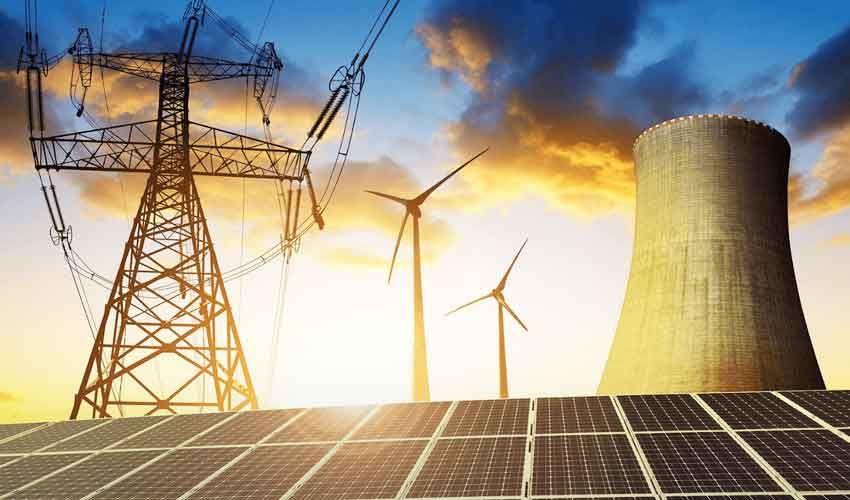
The global economy is facing renewed pressure as the Middle East war fuels an escalating energy crisis. Top global institutions have now stepped in, warning of rising inflation, disrupted supply chains, and economic slowdown.
Amid intensifying geopolitical tensions, three major global institutions — the International Monetary Fund (IMF), World Bank, and the International Energy Agency (IEA) — have announced the formation of a joint group.
The purpose of this group is to jointly assess the global economic impact of the war and coordinate a response to the worsening energy crisis.
The IMF has also announced financial assistance for countries affected by the crisis.
According to the Fund, impacted nations will receive policy guidance and support, with global partners also included in the process to ensure a coordinated international response.
Surge in oil, gas, fertiliser prices
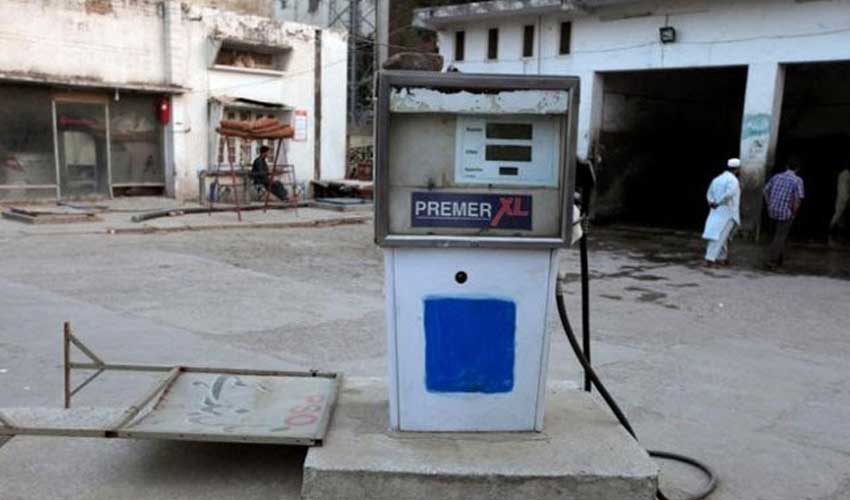
The ongoing conflict has led to a significant increase in the prices of oil, gas, and fertilizers, the IMF said. This sharp rise in essential commodities is contributing to inflationary pressures worldwide, with further increases still possible if tensions persist.
Also Read: Oil jumps over 5% as Trump vows continued attacks on Iran
The IMF has warned that the crisis could lead to higher inflation and a slowdown in global economic growth. Fears of rising prices have already increased, and the overall pace of the global economy is expected to weaken under continued pressure.
Supply chain disruptions, travel impact
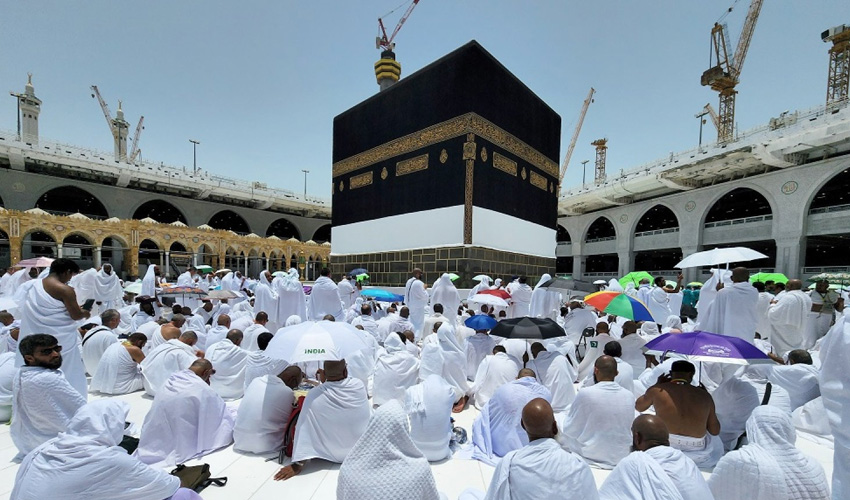
The Middle East tensions have also severely disrupted global supply chains, affecting the movement of goods and services. In addition, tourism and flight operations have been negatively impacted, further straining economic activity across regions.
According to the IMF, currencies of developing countries are under pressure, reflecting the broader economic uncertainty. The crisis is hitting poor and importing countries the hardest, as they face rising import bills and weaker financial stability.
Risk of rising food prices
The IMF has cautioned that if tensions continue, there is a serious risk of an increase in global food prices. This could further worsen the situation for vulnerable populations already struggling with inflation.
In response to rising inflation, central banks in affected countries may adopt stricter monetary policies, the IMF noted. Such measures could include interest rate hikes aimed at controlling inflation, but they may also slow economic growth further.
.jpg)