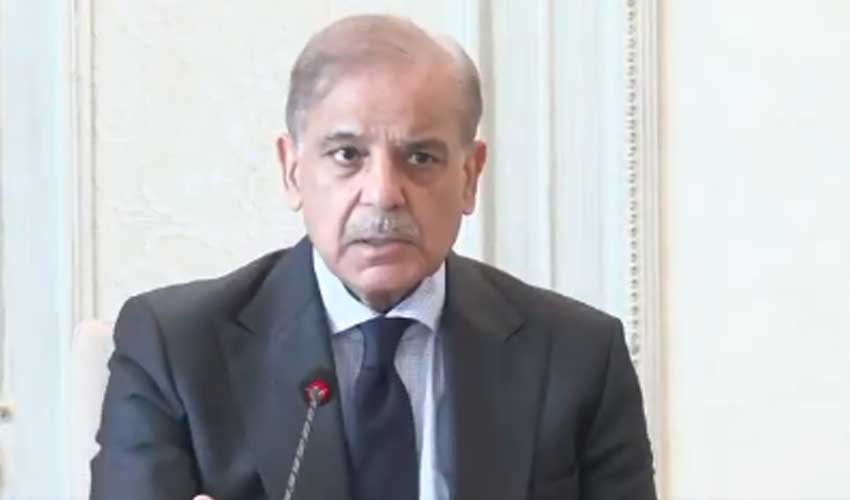
Federal Minister Musadik Malik has warned that Pakistan cannot sustain unlimited fuel subsidies if global oil prices continue to rise. Amid escalating regional tensions, he cautioned that prolonged conflict could further fuel inflation.
In a news conference, Malik said it would become increasingly difficult for the government to continue providing unlimited subsidies if oil prices keep increasing.
He stressed that without financial discipline and frugality, managing the economic situation would become even more challenging.
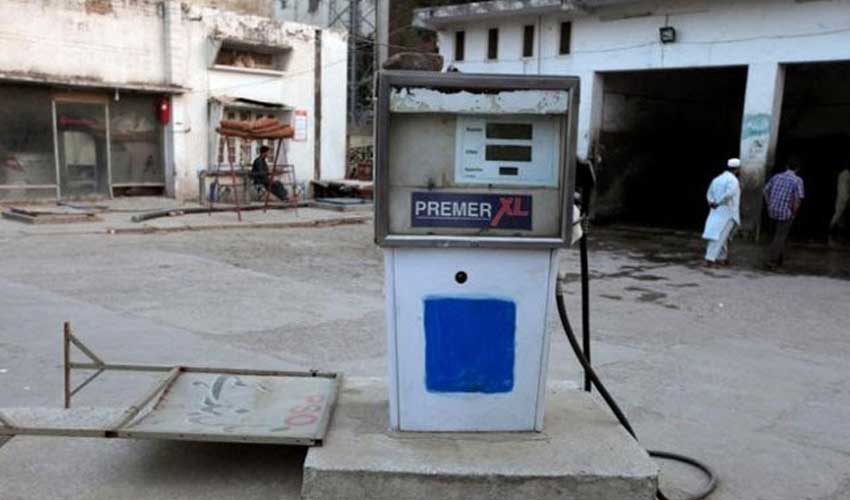
Highlighting the impact of government intervention, Malik said that if subsidies had not been provided, the price of petrol could have exceeded Rs400 per litre. He noted that Prime Minister Shehbaz Sharif has ensured a subsidy of Rs127 per litre on petrol to ease the burden on the public.
In addition, the government is currently providing a subsidy of Rs200 per litre on diesel.
The minister said the government has significantly reduced its expenditures as part of an austerity drive. He revealed that government vehicles have been grounded to conserve petroleum products, while the PM has also cancelled official visits to cut costs.
Regional tensions adding to economic pressure
Describing the current situation as difficult, Malik said the region is “on fire” and the impact has reached Pakistan’s doorstep. He noted that unrest and riots have already begun in some countries, underscoring the broader regional instability.
Musadik warned that if the ongoing war continues, inflation will inevitably rise. He emphasized that although the conflict may not directly involve Pakistan, its economic consequences are already being felt.
Call for national responsibility
The minister urged citizens to adopt frugality, warning that failure to do so would make the situation more difficult. He added that while the war may not be Pakistan’s, protecting the country remains a collective responsibility.
Reiterating the government’s position, Malik said it has taken important decisions to provide relief but acknowledged clear limits. He stressed that sustaining large-scale subsidies indefinitely is not feasible, especially under current economic and regional pressures.
.jpg)