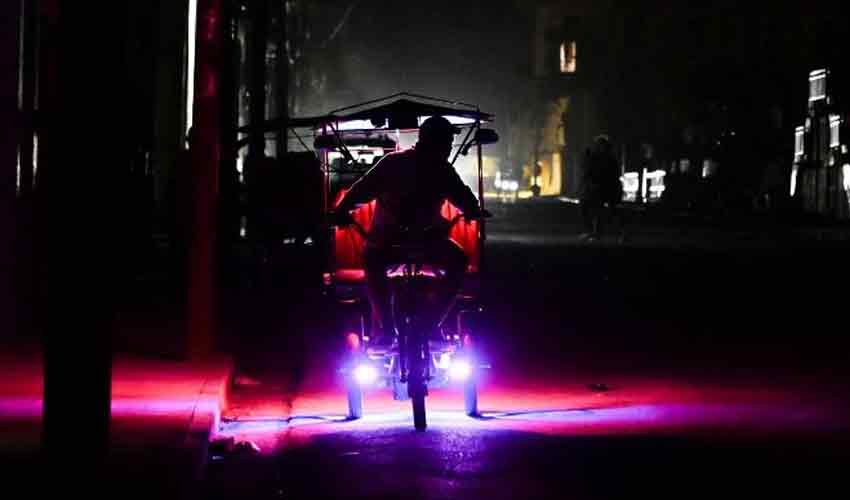
Cuba’s power grid was partially restored a day after the country suffered its second nationwide blackout in a week, officials said, highlighting the challenges the crisis-hit island faces under a US-imposed oil blockade.
By Sunday afternoon, two-thirds of Havana had electricity again, the capital’s utility company reported, after the energy ministry confirmed a “total disconnection” of the national electric system in the 9.6 million-strong country.
“Thanks to the efforts of our electrical workers, the National Electric System has been restored,” Prime Minister Manuel Marrero Cruz said on X. Authorities cautioned, however, that electricity demand still exceeds supply.
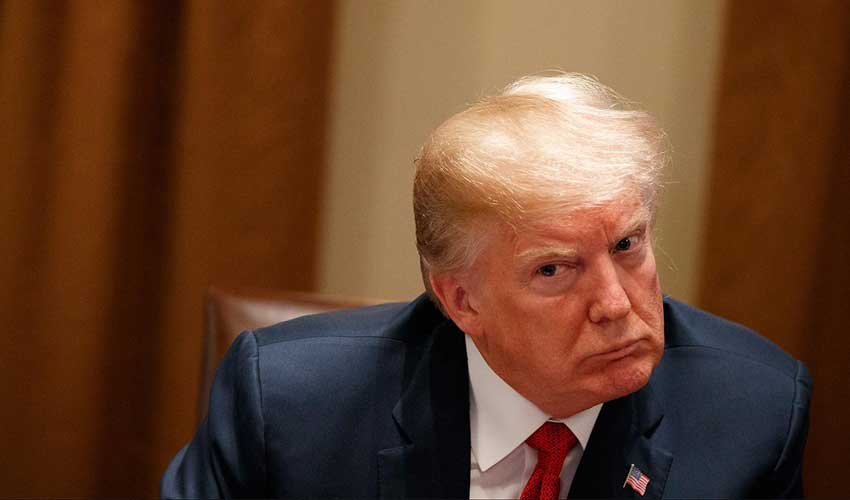
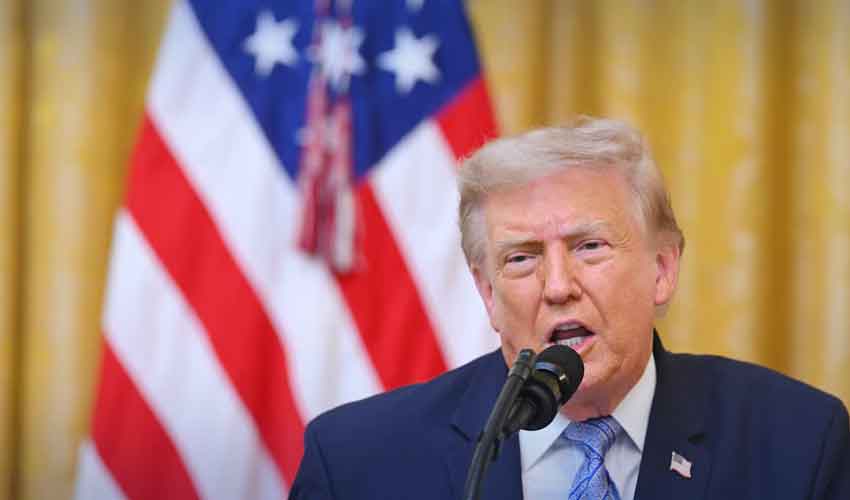
The outages come amid mounting pressure from US President Donald Trump, who imposed a de facto oil blockade in January and recently suggested he might “take” the Caribbean island. Cuba’s military is reportedly preparing for potential aggression, although Deputy Foreign Minister Carlos Fernandez de Cossio emphasized that Havana remains open to dialogue with Washington without negotiating its political system.
Life has become increasingly difficult for Cubans, with repeated blackouts disrupting daily routines and threatening food and medical supplies. Residents have reported sleepless nights, limited communications, and widespread frustration, with some using pot-banging protests and occasional vandalism to voice dissent.
The latest failure was caused by an outage in an aging thermoelectric plant, triggering a domino effect across the grid. The blackout coincided with the arrival of an international aid convoy bringing food, medical supplies, water, and solar panels.
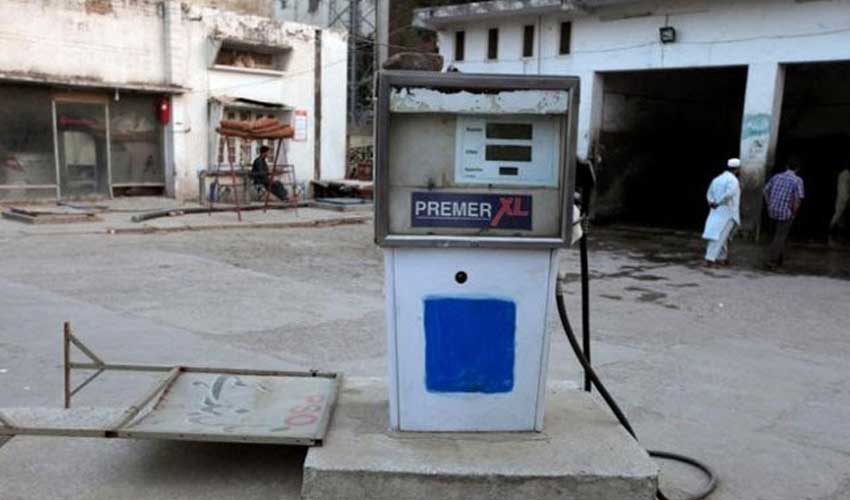
Cuba’s reliance on fuel imports has grown urgent following disruptions from its main ally, Venezuela, after US military actions against the country. Fernandez de Cossio called the situation “very severe” but expressed hope that fuel would reach Cuba and that the US blockade would not continue indefinitely.
The ongoing energy crisis, coupled with shortages of food, medicine, and public transport, underscores the pressure on Cuba’s government and the daily struggles of its citizens.
.jpg)