Lahore is set for a major cultural revival as the Punjab government moves to restore its historic identity.
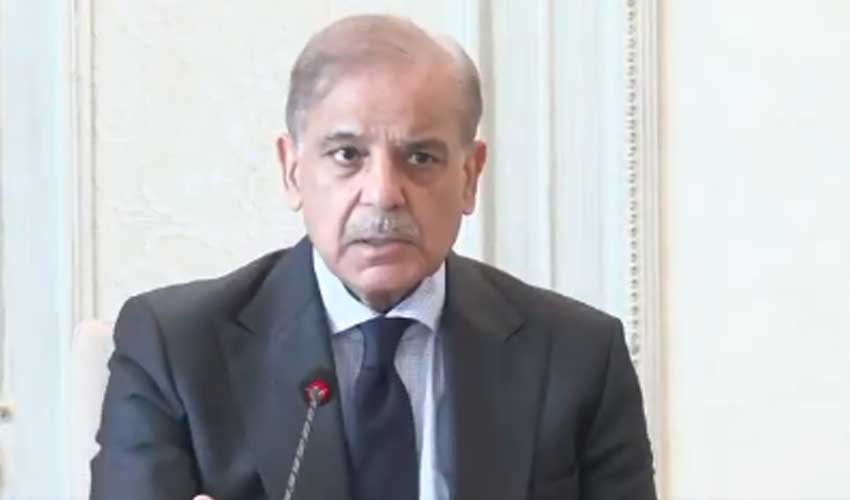
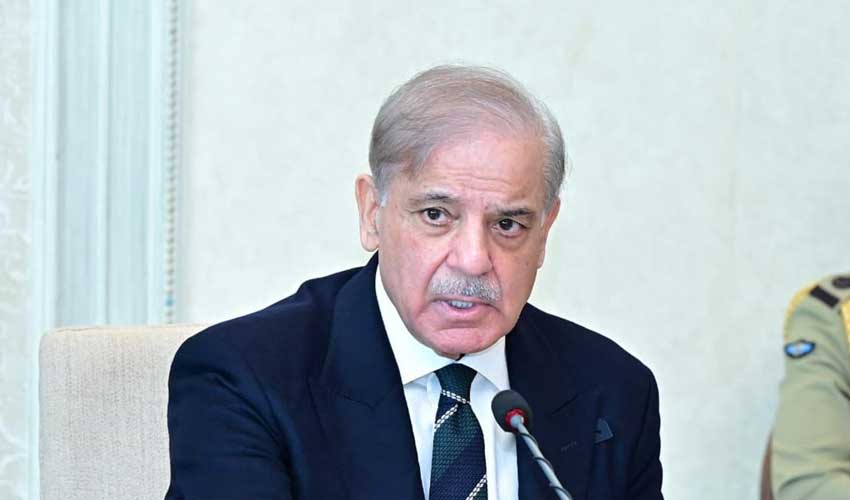
Key decisions were taken in a high-level meeting chaired by Nawaz Sharif and Chief Minister Maryam Nawaz. The initiative focuses on preserving heritage while enhancing tourism and infrastructure.
In a meeting of the Lahore Heritage Areas Revival (LAHR), chaired by Nawaz Sharif and Maryam Nawaz, an in-principle decision was taken to restore the old names of roads and streets in Lahore.
Authorities also decided to restore the original names of government colleges that have been granted university status. The word “University” will be removed, and only the historic names will be retained.
During the meeting, a detailed report on restoration projects of ancient and historical buildings in Lahore was presented. Officials also conducted a visual review of the progress of ongoing projects, assessing developments across multiple heritage sites.
Convent Garden, Tollington Market upgrades
A key decision was made to build a Convent Garden behind Tollington Market. Plans include the construction of an Everything Organic Cafe, along with a semi-covered area and shops within the garden.
Additionally, a two-storey underground parking facility for bikes and cars will be developed to improve accessibility.
The meeting included a briefing on the New Museum Block project, which will feature world-class galleries. These galleries will showcase ancient weapons, coins, and dedicated Chinese and Sikh sections. Interactive screens will also be installed to enhance the visitor experience and attract tourists.
Pedestrian walkways, royal routes
Authorities approved a plan to convert the Shah Alam Gate to Rang Mahal Chowk route into a pedestrian walkway.
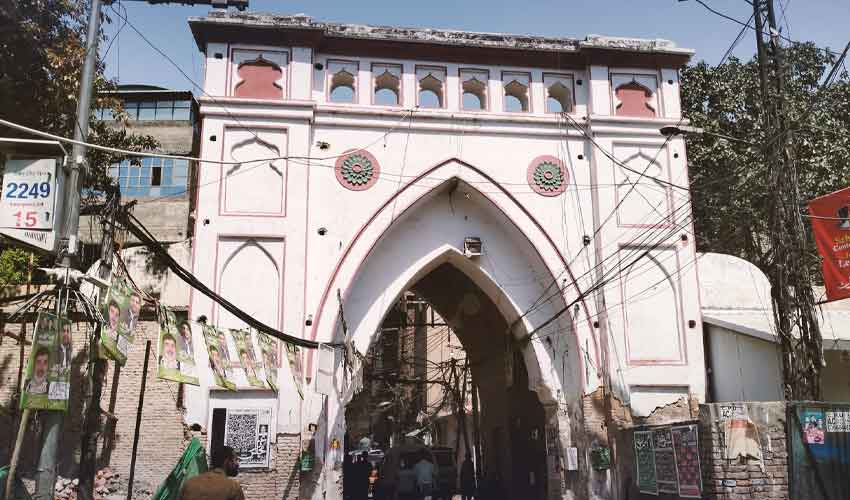
A broader initiative will restore eight ancient and historical walkways, including the inner royal routes of Bhati, Mori, Mochi, Shah Alam, Yaki, Masti, and Delhi Gate areas, recreating their historical atmosphere.
Electric carts will be introduced for tourists, and a tourist information office will be established at Akbari Gate.
Projects for the restoration of Mochi Gate, Akbari Gate, Yaki Gate, and Masti Gate were presented and approved. The meeting also agreed to restore the Maryam Zamani Mosque and other historic buildings in the ancient city.
A major decision was taken to restore the wall/fortress of the Royal Fort to its original condition, with:
-
Phase One: Construction from Taxila Gate to Bhati Gate
-
Phase Two: Construction from Yaki Gate to Masti Gate
Cleanliness, canals, architectural preservation
A review was conducted on restoring the Badrohn (clean water canal) around the Walled City. A proposal was also discussed to create a special wing of Clean Punjab dedicated to the cleaning and maintenance of historical buildings.
Authorities emphasized restoring the uniform ancient design of building exteriors to preserve Lahore’s heritage identity.
Encroachments will be cleared to restore Baoli Bagh in Shah Alam Chowk. The meeting also approved the restoration of Davidhi near Neela Gumbad, ensuring architectural compatibility with its historical design.
A Neela Gumbad Cafe will be established for tourists, and progress on an underground parking project in the area was reviewed.
Additionally, First India Bank, Evening Hall, and Pak Tea House in Neela Gumbad Chowk will be restored to their original historical form.
Preservation of cultural identity
A report was submitted on 36 alleys and streets linked to traditional craftsmen in old Lahore, highlighting efforts to preserve cultural identity. These initiatives aim to protect and promote the city’s historic trades and craftsmanship.
Progress on the Data Darbar expansion project was also reviewed, with 18 kanals of land to be acquired for development. Chief Minister Maryam Nawaz directed that affected individuals be compensated at market rates, ensuring fairness during the expansion process.
The wide-ranging decisions reflect a comprehensive vision to restore Lahore’s historic charm while modernizing infrastructure for tourism.
From renaming streets to reviving ancient walkways and landmarks, the initiative marks a significant step toward preserving the city’s cultural legacy.

.jpg)