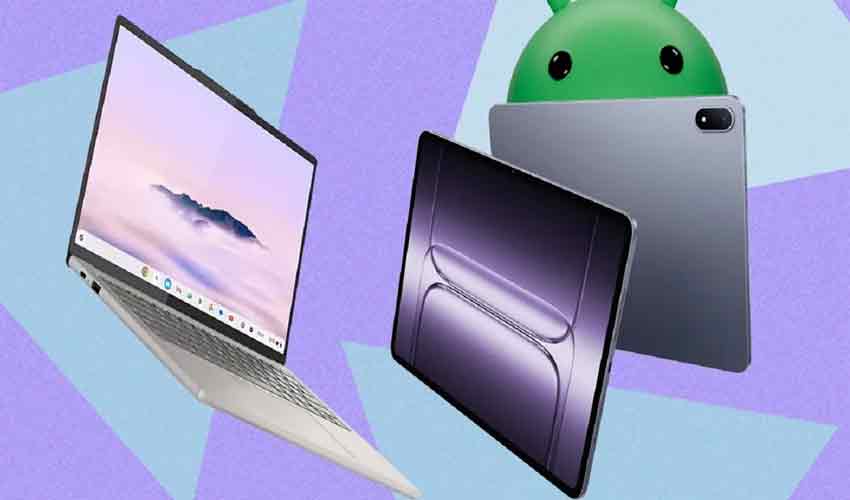
Google is reportedly preparing to launch its much-anticipated Aluminium OS later in 2026, signaling a major step forward in its approach to modern computing.
Following months of leaks and speculation, recent reports suggest that development of the new operating system is progressing steadily and nearing completion. Earlier concerns about potential delays now appear to have eased. Sameer Samat, President of the Android Ecosystem at Google, has also confirmed that Aluminium OS is expected to arrive later this year.
Aluminium OS is designed to redefine how users interact with their devices by combining the strengths of Android with the capabilities of modern laptops. The new platform reflects evolving user needs, particularly as people increasingly rely on multiple devices throughout their daily routines.
A major driving force behind this shift is the growing importance of artificial intelligence. As AI tools become more deeply integrated into everyday tasks, users require systems capable of handling multitasking, larger displays, and more advanced input methods. Aluminium OS is expected to address these demands with enhanced performance and deeper cloud integration.
Another key focus is improved cross-device connectivity. The new system aims to deliver a seamless experience when switching between smartphones and laptops, enabling users to continue tasks effortlessly across devices. This strategy aligns with ecosystem-based approaches seen in the industry, where tighter integration enhances usability.
Despite the introduction of Aluminium OS, Chrome OS will continue to play a central role, particularly in education and enterprise environments where its simplicity and security are valued. Rather than replacing it, Aluminium OS will complement it by targeting users seeking high-performance laptops with advanced features.
This dual-platform strategy allows Google to expand its reach across different user segments while maintaining the strengths of its existing ecosystem. The anticipated fall 2026 launch also aligns with the company’s typical hardware release cycle, hinting at a major product unveiling that could reshape its position in the premium laptop market.



.jpg)