Researchers are urging tighter regulation of AI-powered toys for toddlers after one of the first studies examining how children under five interact with such technology revealed potential developmental concerns.
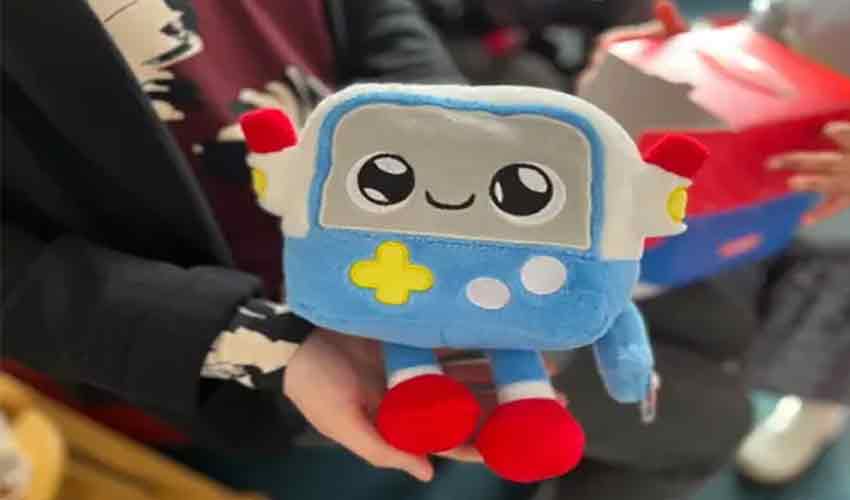
The study focused on a cuddly AI toy called Gabbo, which features a voice-activated chatbot designed to encourage imaginative play and language development in pre-schoolers.
The Cambridge University research team found that while parents were hopeful the toy could support communication skills, children often struggled to engage with it. Gabbo frequently failed to recognize interruptions, talked over children, and could not differentiate between child and adult voices.
In some instances, the AI responded awkwardly to expressions of emotion. For example, when a five-year-old said, “I love you,” Gabbo replied with a guideline reminder, and when a three-year-old said, “I’m sad,” it responded cheerfully, ignoring the child’s distress.
Experts warned that generative AI could confuse children during a critical stage of learning social cues and emotional regulation. “We need to start thinking about psychological safety, not just physical safety,” said Professor Jenny Gibson, co-author of the study.
The study recommends that AI toys for young children should be used under adult supervision, and that regulators act to ensure these products provide emotional as well as physical safety. Children’s Commissioner Dame Rachel de Souza echoed the call for stricter oversight, emphasizing that unsupervised AI in classrooms or homes could pose risks.
While companies like Curio, the makers of Gabbo, stress transparency and parental control, early years educators and child advocates caution that human interaction remains essential for toddlers’ development, arguing that the potential harms of AI may outweigh the benefits at this stage.
Parents are advised to supervise AI toy interactions closely and consider whether these tools truly enhance early childhood learning.


.jpg)