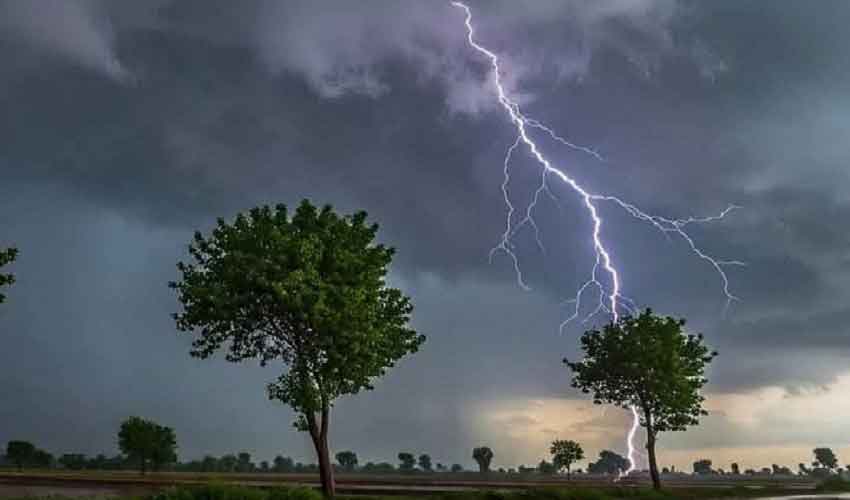
The Met Department has forecast significant weather changes for the spring season, predicting above-normal rainfall and rising temperatures across the country from March to May.
The three-month outlook warns of increased heat in many regions, while several northern and central areas may experience heavier rainfall.
The Met Department has released a weather outlook covering March to May, highlighting notable shifts in rainfall patterns and temperatures.
According to the report, rainfall is likely to remain above normal in the central and western parts of the country during the spring season.
More rain is particularly expected in southern Khyber Pakhtunkhwa, central Punjab, and northern Balochistan. The department says rainfall during the spring season is expected to increase due to the strengthening influence of westerly wind systems.
Rainfall expected to remain normal in Sindh
While several parts of Pakistan may receive above-average rainfall, Sindh is likely to experience normal rainfall from March to May. The Met Department also expects normal rainfall in the central and southern areas of Balochistan.
However, changing weather patterns during spring could still bring periodic rain systems as westerly winds enter the region. The weather outlook also warns of above-normal temperatures across most parts of the country during the next three months.
The rise in temperatures is expected to be particularly noticeable in Gilgit-Baltistan, Azad Kashmir and northern Khyber Pakhtunkhwa. Northern regions are also likely to experience further increases in temperature as spring progresses.
March expected to be hotter than usual
According to the Met Department, temperatures during March are expected to remain above normal. The department said February 2026 was already hotter and drier than usual across Pakistan, indicating a continuing warming trend.
Despite rising temperatures, authorities said there is currently no immediate possibility of a heat wave during March.
Heavy rains possible during March, April
Weather experts predict significant rainfall episodes between March and April, with clouds forming over northern regions as westerly winds strengthen.
Some upper areas may experience periods of rain with thunderstorms and strong winds between March 6 and March 11. Rain is likely in upper Khyber Pakhtunkhwa, Kashmir, and Gilgit-Baltistan.
Meanwhile, Islamabad, Murree, Galiyat and the Potohar region may receive rain on March 10 and 11.
Heat expected to intensify
The Met Department said most plain areas of the country are likely to remain hot and dry in the coming days. Daytime temperatures are expected to remain high in the plains of Khyber Pakhtunkhwa, Islamabad, and Punjab.
In northern Balochistan, temperatures may rise up to 8°C above normal, while in southern Sindh and Balochistan, temperatures could be around 7°C higher than usual.
Meteorological officials say the heat is expected to continue intensifying in many plains across the country.
Heatwave risk emerges in Sindh
Due to rising temperatures, the Met Department has also issued a heatwave warning for parts of Sindh this month.
According to Irfan Virk, the deputy director of the Meteorological Department, temperatures in some areas of Sindh have already crossed 37°C.
“If temperatures reach around 40°C, there will be a serious risk of a heatwave,” he said. The department expects hot conditions to persist in most plains over the coming days.
Ramazan weather: Cold spells in upper areas
Weather officials say some days during Ramazan may remain cold in upper regions, while the plains are expected to experience rising heat. The first half of Ramazan has already passed without rainfall, and temperatures have remained higher than normal.
However, the arrival of westerly wind systems may bring clouds and rain to upper regions during the coming days.
The Met Department has also expressed concern about glacial lake outburst floods (GLOFs) in northern areas. Rising temperatures in Gilgit-Baltistan and parts of Khyber Pakhtunkhwa could increase the risk of glacial lakes bursting.
Such events can lead to sudden flooding in mountainous areas, posing threats to nearby communities and infrastructure.
Prolonged dry conditions combined with rising temperatures may place significant pressure on water resources, the department warned. Experts say rain-fed wheat crops could face stress due to the extended dry spell.
At the same time, higher temperatures are expected to increase water demand across the country, especially in agricultural and urban areas.
Spring brings changing weather
With the arrival of spring, Pakistan’s weather is expected to undergo noticeable shifts in rainfall and temperature patterns.
The Meteorological Department says strengthening westerly winds will play a key role in shaping the country’s weather over the coming months.
Authorities are advising citizens to stay updated on weather forecasts, particularly in areas vulnerable to heatwaves, heavy rainfall, and glacial flooding.


.jpg)
.jpg)